
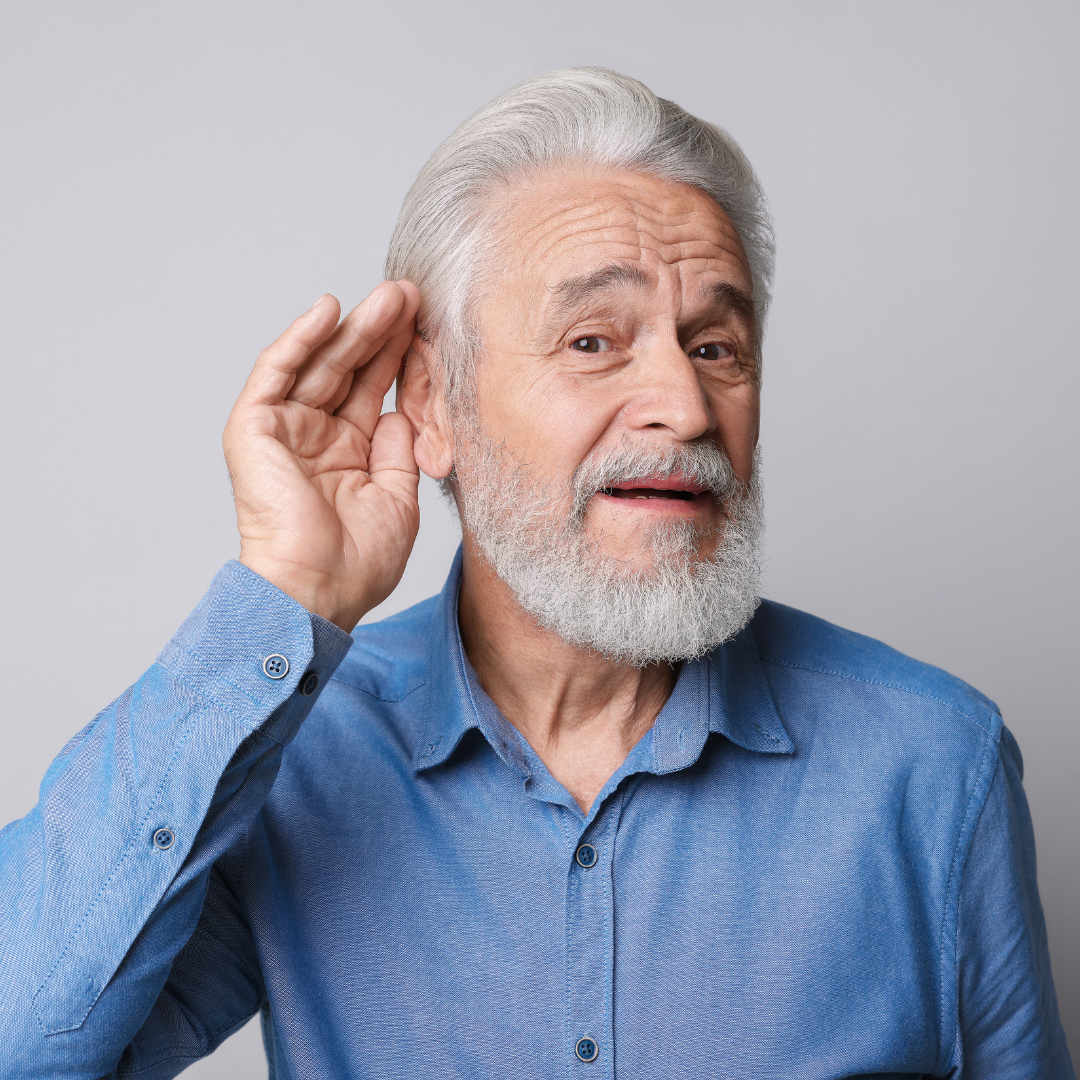
A rapid drop in hearing in one ear can cause immediate fear and leave patients confused regarding the appropriate next steps. We deliver urgent diagnostic hearing tests and partner with otolaryngologists to ensure comprehensive medical intervention when hearing drops rapidly. An acute sudden hearing loss consistently necessitates immediate examination by a hearing professional to begin medical therapy or targeted hearing rehabilitation.
Is Sudden Deafness in One Ear Considered a Medical Emergency?
Yes. Experiencing sudden hearing loss on one side constitutes a clinical emergency, especially when the drop happens over hours or a couple of days. Known medically as sudden sensorineural hearing loss or sudden deafness, this emergency involves the sensory labyrinth or central auditory neural pathways. The condition typically develops painlessly, leading many patients to confuse it with sinus congestion, fluid, or a plugged ear canal.
Possible signs include:
- An acute reduction in speech clarity or acoustic loudness on one side
- Struggling to decipher telephone conversation when holding the receiver to the affected ear
- A noticeable pop or sudden sensation of aural pressure just before hearing drops
- The sudden development of unilateral tinnitus, including buzzing, hissing, or roaring sounds
- Concomitant dizziness, spatial disorientation, or true spinning sensations
Refrain from waiting for spontaneous recovery to restore your hearing acuity. Call our clinic, an urgent care center, or an ear, nose, and throat doctor right away for same-day clinical guidance.
Timing and Prognosis: Why Immediate Care for Sudden Hearing Loss Is Vital
Rapid diagnostic assessment matters tremendously because medical management of sudden sensorineural hearing loss is most effective during the initial window. Our clinicians must first identify whether the deficit is conductive—caused by cerumen impaction, middle-ear effusion, or ossicular dysfunction—or sensorineural, involving the cochlea or auditory nerve. Although both diagnostic categories produce comparable subjective sensations, their medical management differs completely.
A thorough physical ear inspection combined with a diagnostic hearing test isolates the exact type, audiometric shape, and severity of the loss.
Seek emergency care immediately if sudden hearing loss occurs with:
- Acute facial nerve weakness, asymmetrical drooping, or numbness
- Neurological speech deficits, sudden disorientation, or an excruciating new headache
- Bilateral double vision, syncopal collapse, or an inability to maintain normal walking gait
- Acute angina (chest pain) or any secondary indicators of systemic vascular crisis
Such clinical findings often indicate an urgent vascular or central neurological emergency that cannot wait for an outpatient appointment.
Clinical Causes and Mechanisms Behind Sudden Hearing Loss
In most cases of sudden sensorineural hearing loss, no definite cause is found. When a cause can be identified, it may involve inflammation, injury, circulation, the immune system, or another condition affecting the inner ear or auditory nerve.
Potential causes include:
- Systemic or localized viral and bacterial infections
- Blunt head trauma, concussive injury, or acute acoustic trauma
- Diagnosed autoimmune disorders affecting the inner ear sensory systems
- Ingestion of ototoxic pharmaceuticals known to compromise inner ear structures
- Acute circulatory compromise or cochlear microvascular infarction
- Peripheral inner ear pathologies such as classic Ménière’s disease
- Central neurological pathologies including multiple sclerosis
- A benign neoplasm such as an acoustic neuroma along the hearing and balance nerve
Because presenting symptoms cannot reliably differentiate these underlying etiologies, immediate otologic examination and audiologic testing are imperative.
How Can Sudden Sensorineural Hearing Loss Be Treated?
Clinical administration of corticosteroids remains the leading therapeutic approach for idiopathic sudden sensorineural hearing loss. Providers may prescribe oral systemic steroids or deliver local intratympanic injections through the eardrum, targeting the inner ear directly. Treatment decisions are formulated in collaboration with our team, carefully weighing post-onset timing, loss severity, medical contraindications, current medications, and pharmacological risks.
Steroids are typically administered within the first two weeks of onset, making it critical to begin medication as early as medically appropriate. Serial intratympanic steroid injections can also be utilized as a secondary salvage therapy if initial oral treatment achieves incomplete recovery. In specific clinical presentations, the otolaryngologist may recommend combining hyperbaric oxygen therapy alongside standard steroid regimens.
Can Sudden Hearing Loss in One Ear Go Away on Its Own?
A sudden sensorineural hearing loss may occasionally resolve on its own without pharmacological treatment. Epidemiological data suggests that approximately 50 percent of diagnosed patients recover partial or complete auditory sensitivity spontaneously, typically within the first fourteen days. However, there is no reliable way to know at the beginning who will recover, how much hearing will return, or whether the improvement will last.
Anticipating spontaneous recovery is not a justifiable clinical rationale for postponing prompt care. Therapeutic success diminishes significantly if care begins weeks after the incident, meaning delays can permanently eliminate an important window of recovery. Recovery may be complete, partial, or minimal.
Audiological Management for Persistent Sudden Unilateral Hearing Loss
When medical therapy fails to restore hearing, secondary strategies are determined by residual pure-tone thresholds, word-recognition performance, and diagnostic rule-out testing. We may recommend magnetic resonance imaging (MRI) or an auditory brainstem response test to examine the hearing nerve and nearby structures.
Advanced long-term management strategies feature:
- Custom programming of a traditional hearing aid when the ear maintains usable acoustic thresholds
- A CROS system that sends sound from the poorer ear to the better ear
- A surgical or non-surgical bone-conduction device for medically appropriate clinical candidates
- A surgically placed cochlear implant for eligible individuals experiencing profound single-sided deafness
- Assistive listening technology for work, school, or conversations
Individualized audiologic rehabilitation actively addresses listening fatigue, compromised directional localization, and conversational strain. Determining the ideal intervention depends upon your diagnostic hearing test metrics, lifestyle demands, medical history, and personal communication goals.
Schedule an Urgent Hearing Evaluation
Should your hearing acuity decline abruptly today or over recent days, pursue immediate same-day clinical guidance rather than booking a routine appointment. Our clinic will perform comprehensive diagnostic hearing testing, compare thresholds between ears, document onset chronology, and coordinate urgent care with an ENT physician.
Call or message our practice immediately to secure a prompt hearing appointment.