
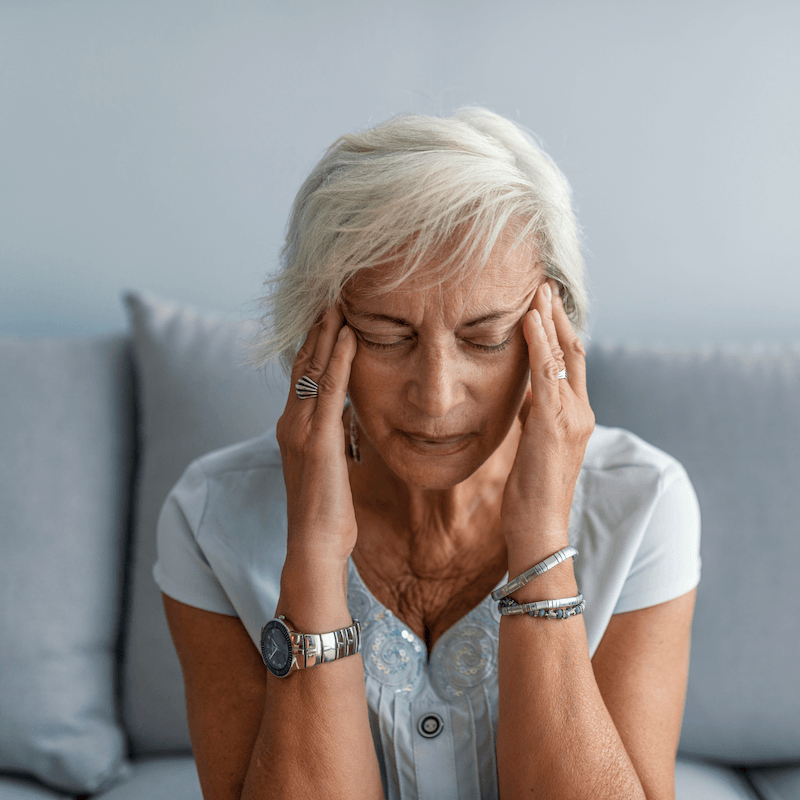
Not all migraine episodes involve throbbing head pain, as a vestibular migraine primarily compromises balance, motion sensitivity, and spatial stability. We provide specialized assessments for recurring vertigo to determine if a vestibular migraine or a competing vestibular disorder is responsible. To find the right migraine treatment, it’s important to recognize the symptoms and communicate them to your doctor.
Vestibular vs. Regular Migraines: What’s the Difference?
While vestibular migraine and conventional migraine share an underlying neurovascular origin, their predominant clinical presentations diverge. Conventional migraine episodes standardly present with moderate to severe pulsating head pain that affects one side and worsens with activity. This cephalalgia is often accompanied by gastrointestinal nausea, photophobia (light sensitivity), phonophobia (sound sensitivity), and visual aura.
Clinically, vestibular migraine is characterized by acute vertigo, spatial disorientation, postural unsteadiness, and motion hypersensitivity. Concomitant headache may happen, but cephalalgia is not universally present across all vestibular flare-ups. Attacks may involve a false sense that the person or room is moving, dizziness triggered by head motion, or discomfort in visually busy environments.
Characteristic vestibular migraine attacks generally endure for durations ranging from five minutes to 72 continuous hours. The variability of symptoms from one flare-up to another makes identifying a migraine link less straightforward than tracking head pain.
What Disorders Cause Vestibular Migraines?
A solitary physiological defect has not been proven to cause vestibular migraine on its own. The disorder likely develops from overlapping neurochemical pathways handling both trigeminal pain and inner ear balance signals. Having a personal or family background of migraine disease, along with chronic motion sensitivity, increases patient risk.
Primary environmental and lifestyle triggers include:
- Irregular or insufficient sleep
- Delayed food intake, prolonged fasting, or inadequate hydration
- Mental or physical stress, as well as rapid decompression after stressful events
- Menstrual cycle fluctuations or other physiological endocrine changes
- Harsh glare, strobe lighting, or visually overwhelming public spaces
- Passive transportation motion, amusement park rides, or rapid computer scrolling
- Alcohol consumption, tyramine-rich foods, MSG, or individual dietary irritants
- Barometric weather fluctuations, seasonal shifts, or compounded sensory overstimulation
Recognizing the Signs: Vestibular vs. Typical Migraine Attacks
Classical migraine attacks are readily identified by head pain, but neurological symptoms often extend well beyond local cephalalgia. Manifestations frequently involve nausea, emesis, classic visual scotomas, lethargy, cognitive fog, cervical tension, and intolerance to lights, sounds, or odors.
Symptoms associated with vestibular migraine often encompass:
- Sensations of rotational spinning or non-spinning spatial disorientation
- Chronic postural instability, dysequilibrium, or sudden loss of balance
- Dizziness triggered by head movement
- Nausea and malaise during standard locomotion or vehicular travel
- Visual-vestibular mismatch when navigating crowded shopping aisles, moving traffic, or patterned visual fields
- Illusory sensations of bobbing, swaying, boat-like rocking, floating, or directional pulling
- Acute sensitivity to daylight, artificial lighting, loud acoustic sounds, and complex visual environments
- Dull cranial pressure, tight band-like sensations, or pulsating migraine headache
- Temporary sensations of ear canal pressure, fullness, or high-pitched tinnitus
The pattern, duration, and triggers help distinguish vestibular migraine from other causes. Newly developing dizziness linked to facial numbness, extremity weakness, speech impairment, double vision, syncope, or an inability to walk demands immediate emergency attention.
Experiencing Vestibular Symptoms and Migraine Headaches Simultaneously
Absolutely. A patient can experience debilitating vertigo and a throbbing migraine headache concurrently in the same episode. Vestibular symptoms may precede the headache as an aura, emerge during peak cephalalgia, linger after the pain resolves, or occur during entirely isolated episodes. Over years of disease progression, individuals frequently oscillate between headache-heavy attacks and balance-centric vestibular events.
It is not necessary for a vestibular episode to involve headache pain to be directly tied to migraine disease. Using a detailed symptom diary can highlight critical physiological associations that prove difficult to remember weeks later. Be sure to log the onset and duration of dizziness, headache severity, sensory changes, menses, sleep quality, dietary intake, identified triggers, medications taken, and treatment responses. These objective records provide invaluable diagnostic clarity during your comprehensive evaluation.
Clinical Diagnostic Procedures for Vestibular Migraine
A definitive diagnosis cannot be established through a single blood draw, MRI scan, or individual vestibular balance test. Diagnosis begins with a detailed description of the episodes and a history of migraine with or without aura. Accepted diagnostic standards mandate documenting at least five moderate to severe vestibular attacks of five minutes to 72 hours duration, with migraine features accompanying at least half.
We may perform a neurological, eye-movement, ear, hearing, and balance examination. Depending on the symptoms, testing may include an audiogram, positional testing, vestibular studies, or imaging. These comprehensive assessments allow our clinical team to identify or eliminate alternate conditions that trigger overlapping vertigo. This clinical diagnosis is finalized only when your symptom history matches validated criteria and no other vestibular disorder better accounts for the findings.
Treatment Strategies: Managing Vestibular Migraines Effectively
Treatment is individualized according to attack frequency, severity, associated headache, other health conditions, and medication risks. Effective clinical management frequently involves combining long-term daily prevention with an actionable rescue strategy for acute attacks.
We develop an individualized treatment regimen which may feature:
- Establishing structured daily routines for sleep, timely meals, fluid intake, and low-impact cardiovascular exercise
- Systematically tracking, identifying, and reducing exposure to personal migraine triggers
- Stress-management or behavioral strategies
- Implementing appropriate antiemetic prescriptions to alleviate severe nausea during attacks
- Judicious, short-term utilization of vestibular suppressant medications during debilitating episodes
- Prophylactic regimens involving beta-blockers, calcium channel blockers, topiramate, tricyclic antidepressants, or CGRP inhibitors
- Vestibular rehabilitation for persistent motion sensitivity or imbalance
We prescribe vestibular suppressants conservatively, given that regular consumption causes sedation and delays the brain’s natural compensation mechanisms. Pharmacological choices must be customized directly with our clinical team rather than adopting another individual’s migraine regimen. Improvement may require gradual dose adjustments and tracking symptoms over time.
Schedule a Vestibular Migraine Evaluation
If ongoing vertigo attacks, motion hypersensitivity, or gait instability compromise your daily functioning, schedule an assessment with our clinic today. Your consultation can include a review of migraine history, health conditions, and treatment goals, with a focused examination and appropriate testing to help distinguish vestibular migraine from BPPV, Ménière’s disease, and other causes of dizziness. Call or message our office today to schedule your comprehensive vestibular migraine consultation.