
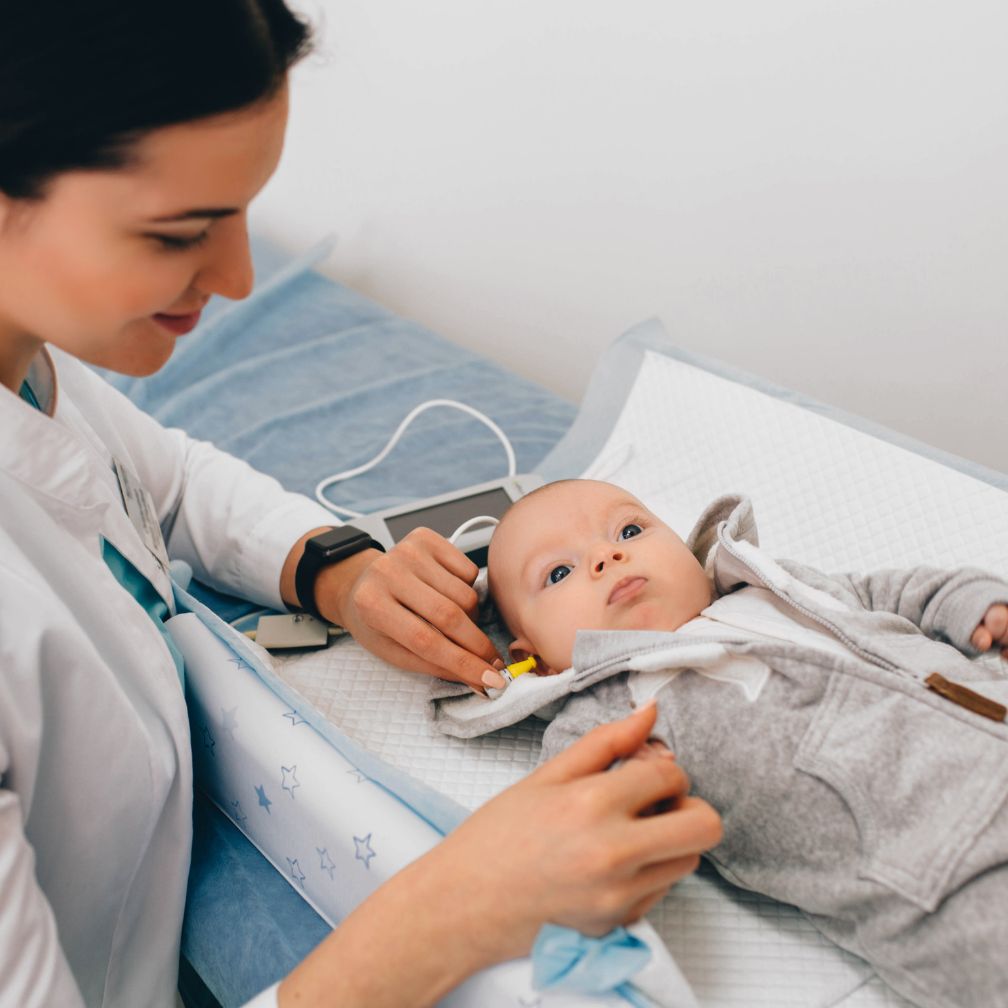
For parents of newborns, discovering their infant faces auditory loss often feels deeply disheartening and sad. Yet the positive reality is: via timely identification and therapeutic support, children with hearing deficits will routinely thrive exceptionally. In fact, such infants can acquire spoken language, expressive skills, and deep relationships across their surroundings, creating the foundation for a vibrant, rewarding life!
Two of the premier clinical instruments for assisting infants with hearing loss consist of pediatric hearing aids and cochlear implants. In the following breakdown, we analyze their core operations and outline how to select the ideal device for your child.
Analyzing Infant Auditory Deficits
Auditory loss among newborns frequently arises from several potential sources, including:
- Distinct inherited genetic traits (even where ancestral histories demonstrate no precedent)
- Harmful in-utero viral infections like cytomegalovirus (CMV) and rubella viruses
- Complex obstetric complications, including systemic oxygen lack or low gestational age
- Targeted therapeutic drugs given inside specialized newborn intensive units
What action holds the highest value? Immediate objective assessment. This critical mandate clarifies why infants in United States hospitals complete hearing tests prior to leaving the birth facility. Qualified pediatric hearing professionals routinely implement the official “1-3-6” operational guideline:
- Initial baseline screening performed before 1 month of life
- Complete clinical diagnosis established before 3 months of age
- Clinical intervention (utilizing corrective devices or speech habilitation) established inside 180 days post-birth
Hitting these clinical targets provides infants an exceptional path toward healthy speech, expressive language, and cognitive development. If you wish for additional counsel concerning these newborn screens, your child’s pediatrician will gladly advise you!
Understanding Amplification Devices for Infants
Regarding babies diagnosed with mild to severe auditory loss, modern hearing aids frequently serve as the primary clinical remedy. These compact, ear-level devices intensify acoustic waves, empowering infants to catch spoken dialogue and natural environmental sounds much more effectively.
Modern pediatric hearing aids remain:
- Fully safe and suitable for babies merely weeks past delivery
- Crafted featuring soft, skin-friendly ear inserts that adapt during early physical development
- Outfitted with child-proof battery covers and dedicated pediatric safety elements
- Professionally configured by a certified pediatric audiologist to match your baby’s specific auditory profile
As your child matures, their hearing devices must undergo periodic adjustments to secure accurate fit and optimal therapeutic benefit.
Advanced Surgical Solutions: Infant Cochlear Implants
Should an infant present with severe to profound sensorineural hearing loss and fails to show adequate progress with standard hearing aids, medical teams often recommend a cochlear implant. Diverging significantly from traditional hearing devices, cochlear implants:
- Call for precise surgical installation within the inner ear structures
- Directly bypass compromised areas of the inner ear anatomy
- Convert environmental sound into digital electrical signals that excite the auditory nerve fibers directly
Advanced cochlear implants function as:
- Fully FDA-sanctioned for application in young infants starting at 9 to 12 months of age
- Most successful when integrated with early speech therapy and dedicated family support
- Recommended only after thorough diagnostic testing by a pediatric audiology clinician and an ENT physician
This evaluative framework encompasses radiological imaging, specialized auditory testing, and open dialogue concerning long-term communicative results.
Comparing Hearing Aids and Cochlear Implants: Key Differences
- Mild to severe auditory decline uses Hearing Aids; Severe to profound hearing impairment calls for Cochlear Implants
- Non-Invasive external fitting: Hearing Aids; Surgical internal implantation: Cochlear Implants
- Standard sound amplification logic: Hearing Aids; Electrical signal stimulation conversion: Cochlear Implants
- Fitting starts at early infancy: Hearing Aids; Access starts at 9-12 months: Cochlear Implants
Hearing Aids vs. Cochlear Implants: Final Thoughts
In the event your infant receives a hearing loss diagnosis, you have access to outstanding technological paths alongside extensive professional backing. With the help of pediatric hearing specialists, many young children achieve communication skills that mirror those of their age group.
Regardless of whether your baby requires wearable hearing aids or a surgical cochlear implant, early intervention unlocks lifelong developmental success.
Do you need professional advice regarding your baby’s current hearing health? Reach out to our specialists today to obtain an exhaustive evaluation and custom-designed care plan.