
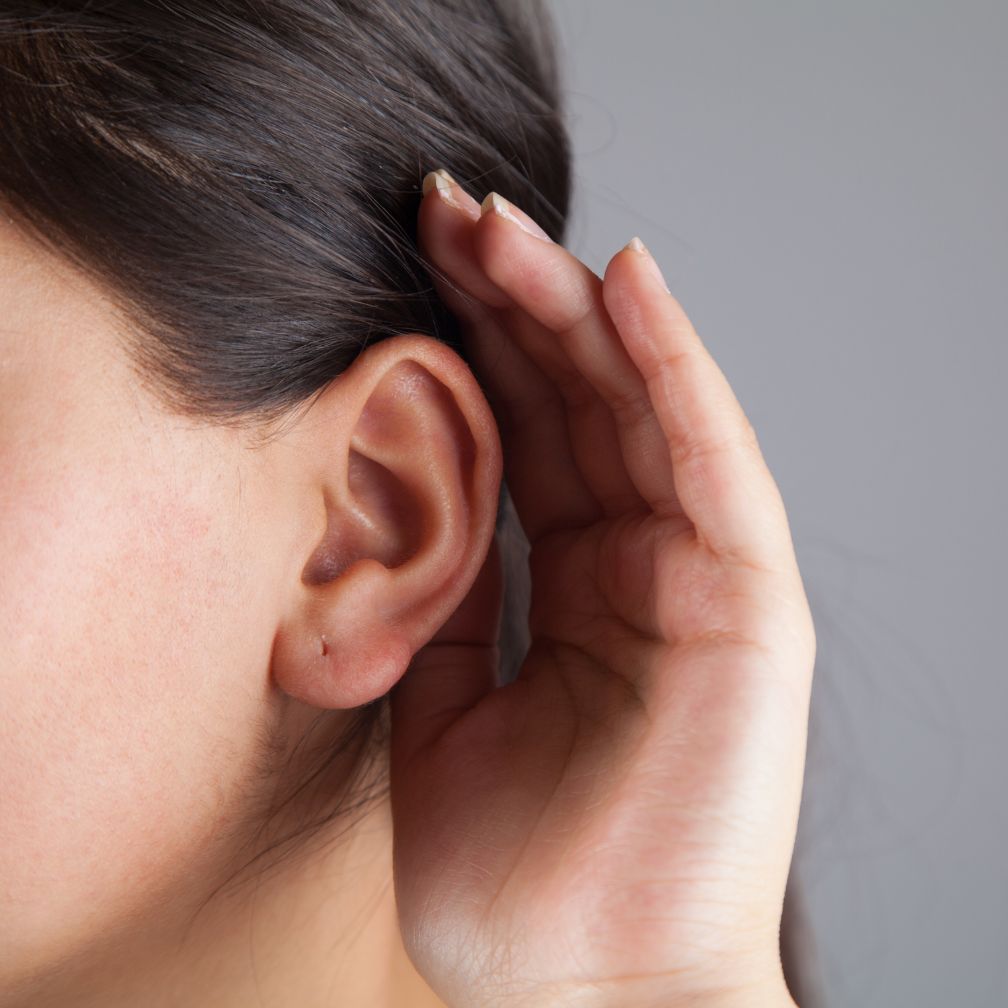
What’s that strange noise that kind of sounds like white noise, or wind in your ears? Why is this disruptive acoustic phenomenon completely silent to everyone else? This localized head noise is a genuine physiological event, not a trick of the mind.
Thankfully, this specific issue is distinct from “phantom ring syndrome,” a sensory misfire tied to device dependency where individuals constantly anticipate digital tones or alerts.
Instead, these persistent acoustic distortions are classic indicators of clinical tinnitus. Make no mistake, this perceived internal audio is a legitimate medical symptom, and certain lifestyle habits can rapidly worsen its intensity.
You can still hear what people say. It just sounds like there’s some sound transposed on top of everything you hear.
Let’s look at where this white noise comes from, what it is, and what you may be able to do to reduce or get rid of it.
Understanding Tinnitus: The Mechanics Behind Internal Head Static
In the vast majority of medical cases, this persistent internal static is a secondary symptom of sensorineural hearing loss. The condition presents as a continuous or episodic phantom frequency that overlays all external environmental sound. Depending on the exact etiology of your condition, the frequency may blend into the background for most of the day. Or you may be saying, this white noise in my head feels deafening, threatening to take my sanity.
You’ve probably tried to explain to people what you’re experiencing, but this form of hearing loss is difficult for people to understand if they’ve never experienced it for themselves.
Many patients struggle to accept that a roaring sound inside their ears cannot be recorded or validated by outside observers. This paradox leads many to worry if they are suffering from a central mental delusion or cognitive misfire. How can it keep me from understanding those around me? Or leave you tossing and turning for hours, totally unable to secure standard nighttime rest?
The Quiet Room Trap: How Inactivity Highlights Internal Buzzing
You’ve probably noticed that the quieter it is, the worse your tinnitus gets. This structural shift happens because the internal hum doesn’t have to fight against real-world sound waves—as seen when people lock down their bedrooms for total quiet at night. They don’t have any TV playing, no radio, no noise at all. If you combine a silent room with late-night introspection, the moment your awareness drifts to the localized humming, it transforms into an inescapable focus point that artificially amplifies the distress. Whether you experience soft or loud noises, low or high pitches, a quiet bedroom at nighttime is the perfect situation for tinnitus to take hold.
Is that weird sound like wind really tinnitus?
While explaining the condition to normal-hearing peers is a major hurdle, comparing notes with another person who has tinnitus can create unexpected doubt. They may be experiencing very different symptoms than your own, which might lead you to think that what you have isn’t tinnitus at all.
Yet, despite these tonal differences, your underlying diagnosis remains highly probable. This is due to the reality that tinnitus is a highly polymorphic condition, expressing itself through a vast array of acoustic shapes depending on the individual. These include, but aren’t limited to, hearing:
- The harsh hiss of old-fashioned television static
- Humming
- An active, vibrating internal buzz resembling an electrical current
- Ringing
- An episodic, heavy thumping localized behind the eardrum
- Dial tone
In almost all instances, you are completely isolated in your perception of the tinnitus-induced white noise. Because of this, a traditional doctor cannot physically audit or hear the frequency to validate your complaint. Instead, your regular physician must depend completely on your personal testimony to chart the condition.
This can cause people to feel invalidated by a doctor who doesn’t specialize in hearing loss.
Consider the case of Thomas, a veteran steelworker, who recounted: ‘When the constant buzzing first developed, I brought it up during a checkup with my regular doctor. While the doctor did state that it might be tinnitus, he didn’t really seem to understand how debilitating the noise was. He discussed my condition as if the sound were merely a minor, imaginary inconvenience. He assumed I could easily tune out the static and offered absolutely no management strategies or medical next steps.’
Consulting a dedicated hearing professional effectively addresses this communication breakdown and unlocks access to advanced medical solutions. Frequently, the unique behavior of the phantom frequency serves as an anatomical roadmap, helping your doctor identify the perfect treatment.
Whooshing vs. Ringing: Identifying High-Risk Vascular Anomalies
Accurately communicating your history is inherently challenging because the disorder utilizes an incredibly vast array of acoustic profiles across different patients. For instance, if your internal static takes the form of a mechanical whooshing or rhythmic throbbing that mirrors the exact timing of your physical pulse, your diagnosis may be pulsatile tinnitus.
Happily, clinical teams can resolve this whooshing variation more definitively than traditional ringing, given that its roots are usually tethered to physical circulatory issues like hypertension or carotid artery changes.
That whooshing sound can also be brought on by the flow of blood through narrow veins in your head, which is called a bruit. It is absolutely imperative to have this symptom evaluated by a specialist, as this mechanical murmur can occasionally warn of severe cardiovascular blockages that precede an acute stroke or seizure.
When Your Phantom Noise Is Measurable to an Outside Observer
Make no mistake: tinnitus is a highly disruptive, legitimate medical disorder that inflicts significant stress on a patient’s routine. While traditional forms defy direct observation, rare presentations of vascular tinnitus enable a trained professional to utilize an amplified stethoscope to audibly track the internal murmur alongside you. Remember, this external diagnostic confirmation is exclusively possible within vascular profiles, which occur far less frequently than standard subjective ear ringing.
The Primary Triggers of Tinnitus: Understanding Sensory Damage
Statistically, the primary driver of chronic ear ringing is prolonged, repeated exposure to high-decibel environmental noise. This explains why the disorder is highly prevalent among professional musicians, concertgoers, and industrial laborers who operate within loud environments for consecutive hours over several years.
A variety of common career tracks expose the human ear to hazardous noise levels that routinely trigger chronic static, such as:
- Factory Work – Operating around unmitigated industrial machinery for consecutive hours creates a highly toxic environment for your delicate hearing mechanisms. Beyond the raw volume, the high-pressure nature of manufacturing work spikes your stress hormones, which serves as a major secondary driver that worsens the internal ringing over time. If your job positions you near an active pneumatic riveter, you are facing a massive risk; these devices exceed 125 decibels, a level that causes immediate structural ear damage and severe, permanent static.}
- Modern Farming – Don’t blame it on the roosters. While those loud, early-risers clock in at around 90 decibels, there are many things on the farm that are much louder. Tractors, combines, cherry-pickers, milking machines… all of these farming implements make a lot of noise. Need to repair the fence? Even your table saw can pump out over 85 decibels, which is damaging over long periods of time.}
- Pilots and Flight Crew – At a distance of 100 feet, a standard jet engine blasts a punishing 140 decibels directly into the environment. While aviation safety rules require pilots to wear defensive ear protection, operators of light aircraft are positioned inches away from the propulsion source. Traditional headsets cannot completely block out this massive volume of sound pressure, ensuring that a career spent in the cockpit often results in a slow, progressive decline in hearing acuity and secondary tinnitus.}
- Motorcycle Traffic Enforcement – You don’t need a badge to mount a motorcycle, but spending your entire working day atop a roaring engine exposes your ears to a toxic combination of motor exhaust and high-speed wind noise that induces chronic tinnitus. This identical sensory threat applies to operators of industrial snowmobiles and personal watercraft, though such vehicles are rarely part of a standard corporate job unless you work in an exceptionally adventurous field.}
- Nightlife and Hospitality Personnel – To fulfill your duties, you must accurately capture a patron’s drink order from across a crowded room. However, the ambient acoustics in modern nightclubs are set so high that discerning speech becomes a massive physical struggle, forcing your auditory cortex to work overtime against a wall of sound. If the venue hosts a live band or high-powered subwoofers, your inner ear suffers the exact same structural trauma experienced by the musicians on stage.}
The common denominator in all these jobs is that the delicate sensory hair cells within the inner ear have been bent or broken by continuous sound pressure. These hairs pick up sound and help the brain to understand what you’re hearing. Unlike the rest of your body, when these hairs are damaged, they don’t heal or reproduce, and leave you with a distorted sense of hearing.
Everyday Variables That Can Cause Your Ear Ringing to Flare
Beyond direct exposure to loud volumes, specific lifestyle choices and physiological conditions can cause the white noise in your head to worsen.
- Anxiety and Depression – Both of these emotional conditions establish a highly destructive psychosomatic cycle. As your daily anxiety or depressive symptoms flare up, your internal head static becomes significantly more intense, which naturally causes your mental health to deteriorate further.}
- Ignoring Your Body’s Warning Signs – Your ears possess natural defensive thresholds and experience physical discomfort when a room is too loud. Rather than simply enduring the painful volume, you must actively protect your auditory system, as these delicate cells cannot be replaced once destroyed.}
- High Blood Pressure – Unmanaged hypertension can cause severe micro-circulatory issues, starving your cochlear architecture of oxygenated blood. This fluid restriction causes an immediate surge in the loudness of your tinnitus and can compound your long-term hearing degradation if left untreated.}
- Smoking Habits – The chemical peaks and valleys experienced between cigarettes can cause your auditory symptoms to flare up dramatically. While lighting up seems to soothe the immediate stress, the long-term toxic payload and cardiovascular damage from smoking ensure that your tinnitus will continue to worsen over time.}
- Dietary Triggers – Clinical evidence indicates that high doses of caffeine and certain artificial sweeteners can act as neural stimulants, making tinnitus appear louder. We recommend maintaining a detailed dietary log to track your meals alongside your daily symptom spikes, allowing you to isolate and eliminate individual chemical triggers.}
- Interpersonal Stress – Engaging with consistently negative or high-conflict individuals can cause your tinnitus to flare up by triggering systemic hypertension, anxiety, and mood drops. Take a moment to analyze whether certain social circles are causing you physical harm, and weigh that toll against the value of your long-term wellness. Remember, you cannot force others to change their behavior, but you can always choose to distance yourself from their environment.}
- Pregnancy – Approximately one-third of women experience localized ear ringing during gestation, a phenomenon routinely triggered by shifting endocrine baselines and increased cardiovascular demands.}
- Impacted Cerumen – A dense accumulation of earwax pressing directly against the tympanic membrane can distort sound and generate bizarre phantom noises. Securing a professional microsuction or debridement procedure to clear the wax can, in many instances, instantly eliminate the ringing.}
- Pharmaceutical Interventions – Many standard therapies—ranging from prescriptive opiates and heavy antibiotics to common diuretics, cancer treatments, and basic aspirin-based painkillers—can damage the delicate structures of the inner ear. It is critical to coordinate with an otolaryngologist and your managing physician to map out the ototoxic risks of your prescriptions.}
Reviewing Effective, Clinically Proven Tinnitus Management Options
If you suspect an underlying systemic pathology is driving your symptoms, consult with your managing physician immediately. Specific systemic disorders significantly worsen your internal noise levels, particularly unmanaged anxiety and high blood pressure.
Once any known medical condition has been treated, it’s time to look at other options. Proven management modalities encompass choices such as:
- Mindfulness Interventions – Incorporating daily meditation, restorative yoga, or alternative somatic relaxation exercises can drastically lower your neuro-chemical stress response. Unfortunately, modern educational systems rarely teach individuals how to self-regulate stress naturally without resorting to chemical substances. Despite this gap, thousands of patients actively pursue these holistic habits because clinical data confirms they successfully lower tinnitus awareness.}
- Using white noise to mask the sound while you sleep. White noise can offer immediate relief. Never try to drown the sound out with earbuds or with other loud noise exposure. That would only make the symptoms worse over time.}
- Therapeutic Hearing Instruments – Contemporary assistive listening devices can be customized to actively mask or cancel out the internal static. Today’s hardware is equipped with cutting-edge software suites designed specifically for targeted tinnitus suppression. Your hearing care professional can program these microcomputers during your initial fitting to match and nullify the exact pitch vibrating inside your head.}
- Habituation Therapy – This specialized audiological protocol utilizes sound therapy to systematically retrain your central nervous system to ignore the internal static. An experienced clinician will introduce a carefully calibrated audio signal into your canal that mimics your subjective tinnitus frequency. Over time, this targeted exposure teaches your cognitive filters to view the noise as meaningless background data, allowing you to focus effortlessly on external speech.}
- Cognitive Behavioral Therapy (CBT) – This evidence-based psychological intervention is expertly designed to dismantle negative behavioral patterns and stress cycles. For patients who frequently ruminate on distressing news or worry about external situations they cannot influence, CBT offers an ideal solution. It systematically coaches your mind to redirect its energy toward positive elements and areas where you maintain true autonomy, which rapidly reduces the stress that feeds your tinnitus.}
Analyzing the Clinical Limits of White Noise for Tinnitus Relief
You’ve heard of fighting fire with fire, but what about fighting white noise with white noise? Recent audiological research out of England notes that while consistent sound therapy effectively reduces symptom awareness, it cannot stand alone and must be paired with secondary clinical treatments.
The honest clinical reality is that a permanent cure for this condition has not been discovered, meaning our medical goals focus on deploying specialized treatments to help you control and cope with the condition.
Faced with these options, what is the most logical next step for a patient seeking relief? Most importantly, you should get your hearing tested. This essential baseline test will reveal exactly how much the internal static is degrading your word recognition score and speech comprehension during daily conversation. After that, you should discuss treatment options with your local hearing experts.
Audio Illusions: Explaining Phantom Melodies and Speech in Background Noise
Should you track complex orchestral arrangements or human voices within background noise, your symptoms fall outside the definition of traditional ear ringing. Please do not worry or panic over this development, as it is completely unrelated to schizophrenia or alternative serious mental health conditions. Statistically, you are simply experiencing a well-documented neurological effect called Musical Ear Syndrome, pattern-seeking apophenia, or acoustic pareidolia. Your mind is hardwired for intense structural processing, meaning it will aggressively scan unshaped noise in an effort to synthesize familiar audio forms. Consequently, when confronted with a steady, meaningless hum, your cognitive processing filters can accidentally misinterpret the data. For instance, pareidolia represents your mind’s natural habit of translating empty background sounds into a specific memory file, like a distinct musical rhythm. That said, if you hear detailed instruments or singing when the room around you is perfectly quiet, the symptom is classified as a distinct musical hallucination.