
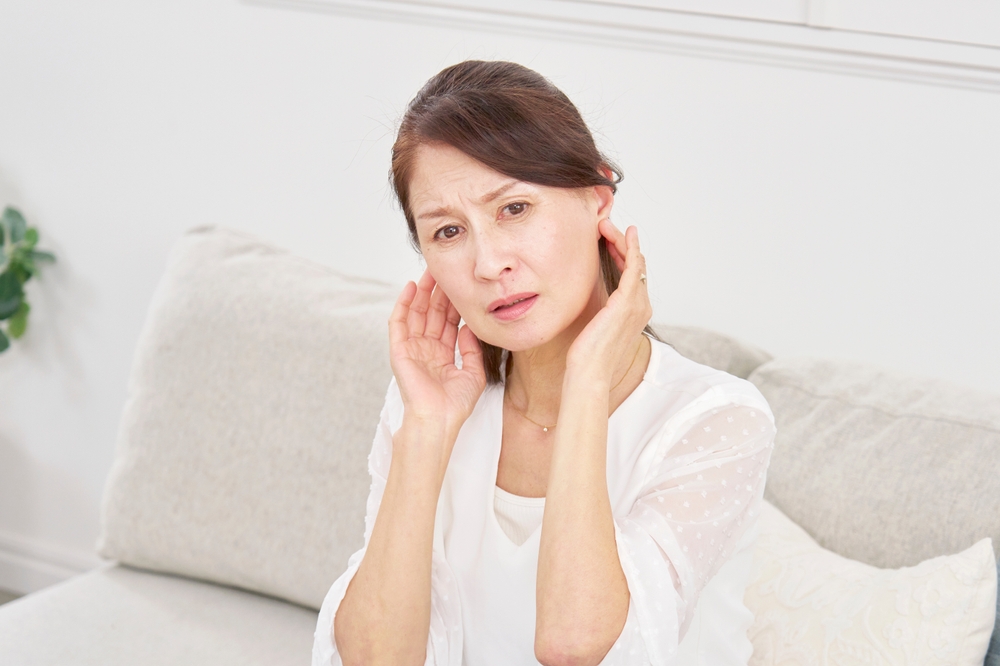
Discovering an abrupt inability to hear upon waking is a truly distressing scenario. This type of hearing impairment is strikingly sudden, often appearing without prior warning signs or advanced signals. Several underlying issues can be transient, yet many forms of rapid loss require an emergency response.
Gaining insight into why hearing drops suddenly and seeking urgent help is imperative for future health. Below, we examine the characteristics of sudden hearing impairment together with clinical advice on when to call a specialist.
Defining the Parameters of Sudden Hearing Loss
This condition involves a swift loss of hearing capacity occurring nearly immediately or over a 72-hour period. While most patients experience this in one ear, it can occasionally manifest in both simultaneously. Presentations include dullness of sound, persistent ringing, a feeling of pressure, or an inability to follow conversation.
The Urgency of Sudden Sensorineural Hearing Loss (SSHL)
Among all triggers, SSHL demands the most immediate medical assessment.
This type of hearing loss occurs when there’s a problem with the inner ear, auditory nerve, or brain pathways involved in hearing. Though an exact etiology is often elusive, several factors are frequently identified as likely drivers:
- Vascular restrictions affecting auditory nerve function
- Internal swelling and abnormal immune system activity
- Underlying viral triggers affecting the ear
- Complex neurological conditions
SSHL is considered a medical emergency because early treatment can significantly improve recovery.
Viruses and Inner Ear Health
Various viruses have the potential to damage hearing permanently by triggering inflammation in the auditory nerve.
The following viral conditions are frequently associated with sudden onset hearing issues:
- Routine upper-airway viral activity
- Systemic flu-related inflammation
- Neural infections
- Secondary hearing effects following a COVID-19 infection
Auditory symptoms often manifest during the peak of an illness or in the immediate recovery phase, sometimes with vertigo.
Head or Ear Trauma
A blow to the head, abrupt shifts in pressure, or high-decibel sound can injure delicate structures inside the ear.
Physical damage from injury often stems from:
- Physical impact to the skull
- Sudden shifts in ear canal pressure
- High-decibel acoustic trauma
- Physical displacement of inner ear fluids
Minor impacts can still compromise auditory function, particularly if shifts manifest immediately following the event.
Conductive Blockages: The Role of Earwax
Though not as critical as inner ear causes, impacted earwax can still cause abrupt hearing changes.
Symptoms of blocked wax typically:
- Manifest with abrupt speed
- Create a distinct sensation of aural congestion
- Be more pronounced on one side
- Clear up following the safe extraction of the wax
Critically, a self-diagnosis at home cannot accurately distinguish between a simple blockage and a nerve-related crisis. Therefore, seeking a professional clinical opinion is the best course of action.
Exploring Secondary Triggers for Hearing Changes
Other variables that can influence a sudden drop in hearing include:
- Adverse effects from certain pharmaceuticals
- Circulatory system irregularities
- Systemic autoimmune attacks on the cochlea
- Small growths on the hearing nerve
Undergoing a full audiological workup is the only way to accurately identify or dismiss these factors.
Why Acting Fast Matters for Sudden Hearing Changes
It is critical to understand that delaying evaluation for sudden hearing loss is a significant risk.
Immediate audiology testing serves to:
- Identify reversible causes
- Improve the effectiveness of treatment
- Protect against lasting damage to the hearing nerve
- Decrease the likelihood of facing permanent communication issues
Hearing assessment plays a pivotal role in determining the type and severity of hearing loss and guiding next steps.
When to Seek Immediate Help for Sudden Hearing Loss
It is imperative to consult a professional instantly if you notice the following:
- Sudden hearing loss in one or both ears
- Auditory loss with dizziness or imbalance
- The rapid onset of ringing or aural fullness
- Loss of hearing that manifests after a medical event or head impact
Partial recovery of sound does not eliminate the need for a thorough clinical investigation.
Rapid Diagnostics for Auditory Clarity
Audiological diagnostics are designed to rapidly determine if the loss is:
- Conductive in nature, often caused by mechanical obstructions
- Sensorineural, affecting the inner ear or auditory nerve
- A reversible shift or a lasting auditory decline
Early testing supports faster treatment decisions and better outcomes.
Why Immediate Action Is the Best Response
It is normal to feel panicked by sudden deafness, but immediate professional help offers the best chance for success.
Securing an expert assessment following a sudden auditory shift is the best way to safeguard your long-term wellness. We’re here for you if you experience sudden hearing loss: Call our care team as soon as possible at our office for the help you need.