
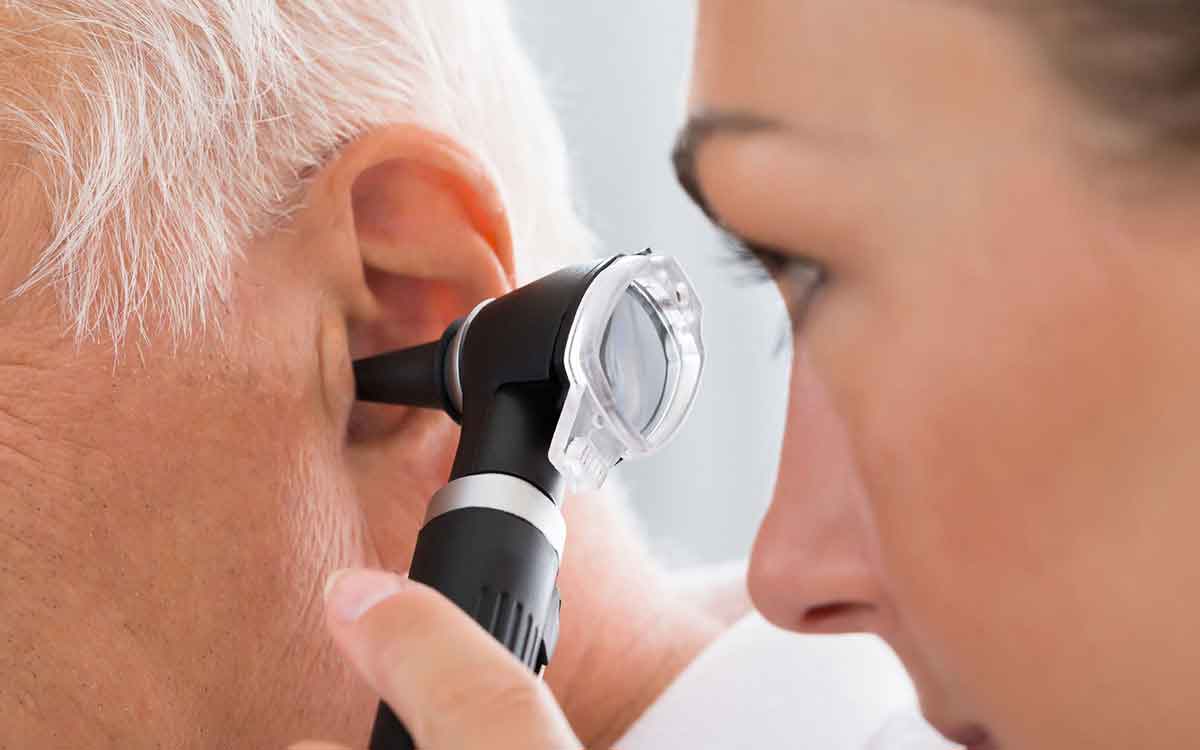
Hearing loss often occurs gradually, making it easy to miss during the initial stages. Numerous individuals compensate subconsciously by increasing media volume, requesting frequent repetitions, or withdrawing from loud settings.
Prioritizing an initial evaluation can help with optimizing daily communication.
Common Symptoms of Early Hearing Loss
Should you encounter any of these indicators, consider scheduling an audiological evaluation to determine your status.
- Impaired speech discrimination during social interactions within high-noise areas.
- Frequently requesting others to repeat information.
- Hearing muffled or slurred speech where words appear to merge.
- Turning up the volume on the television and mobile devices to levels that others find excessive.
- Trouble perceiving high-frequency audio, such as high-frequency vocalizations, birds, or doorbells.
- The occurrence of tinnitus, manifesting as ringing or buzzing in the ears.
- Feeling mentally exhausted after social interactions, resulting from increased efforts to hear better.
- Withdrawing from social events because dialogue has become stressful.
These early signs of hearing loss can affect either ear and can be intermittent at first. Because the brain adapts quickly, many people don’t realize the extent of their subconscious adjustments until hearing loss advances further.
Statistical Overview of Global Auditory Health
According to the World Health Organization, over 700 million people will require hearing rehabilitation by 2050. Other significant statistics involve:
- By 2050, nearly 2.5 billion people are expected to have some degree of hearing loss.
- More than five percent of the global community (roughly 430 million people) requires clinical support to manage significant hearing loss.
- In excess of 1 billion young adults face the threat of irreversible hearing loss resulting from unsafe listening practices.
- Among those aged 60 and older, over 25% have clinically significant hearing loss.
The Value of Early Hearing Loss Detection
Neglecting hearing changes can have broader physiological impacts that are frequently overlooked.
Clinical evidence shows a documented link between untreated hearing loss and mental health risks, such as isolation and depression.
Early intervention provides better long-term prognosis and greater treatment flexibility.
A clinical screening identifies if hearing shifts are the result of aging, earwax impaction, or other systemic issues.
Certain hearing variations are transient and resolve with clinical treatment.
In addition, utilizing protective measures or digital hearing aids early may delay the advancement of hearing loss.
When to See a Hearing Specialist
It is advisable to get a consultation from an audiologist if:
- Auditory indicators persist for more than a few weeks.
- Difficulty hearing starts to impact work or daily activities.
- Instances of acute hearing loss, dizziness, or persistent ringing warrant prompt clinical attention.
Hearing tests are painless and noninvasive, additionally they provide critical data into your hearing health.
Reach out to our specialists if you are interested in scheduling a formal hearing test.
Auditory Health FAQ: Initial Symptoms
Question: Is aging the sole cause of hearing impairment?
A: No. While age-related hearing loss is common, hearing changes can also result from noise exposure, medications, infections, genetics, or underlying medical conditions.
Q: Can hearing loss be reversed?
Answer: Specific causes, including earwax blockage, may be susceptible to reversal through treatment. While other forms are irreversible, they can usually be managed with professional treatment or hearing technology.
Q: At what intervals should I have my hearing evaluated?
A: A baseline screening is advised by age 50, or sooner if clinical symptoms manifest.