
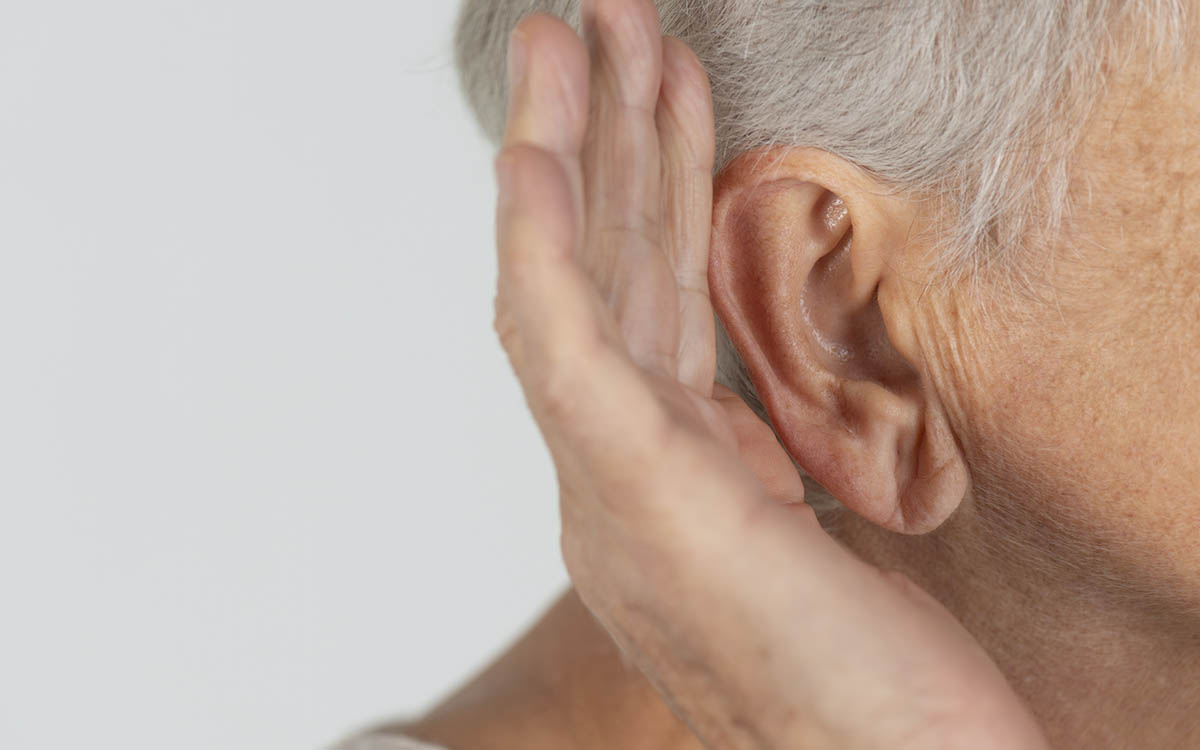
While many individuals correlate hearing loss to senescence, but for millions of Americans, physiological damage begins at a younger age. Noise-induced hearing loss represents a common, preventable auditory pathology, but it often occurs gradually and goes unnoticed until the effects are permanent.
Grasping the longitudinal impact of sound exposure on the auditory system facilitates proactive protection before significant hearing loss occurs.
Establishing the Nature of Noise-Related Hearing Loss
The pathology of noise-induced hearing loss involves trauma to the sensitive anatomical structures within the inner ear. Data from the CDC indicate that, auditory impairment may begin with chronic exposure to noise levels over 85 decibels. Intense noise sources, specifically firearms or industrial tools, can compromise hearing integrity within a very brief timeframe.
The inner ear contains microscopic sensory receptors known as hair cells. These receptors facilitate the conversion of acoustic vibrations into electrical signals decoded by the brain. Because hair cells cannot repair or replace themselves once damaged, hearing loss resulting from noise is generally a permanent physiological state.
Analyzing the Advancement of Ear Damage
The insidious nature of noise-induced hearing loss is highlighted by its gradual developmental timeline. Initial signs of auditory overexposure may present as:
- Transient auditory sensations such as ringing or buzzing (Tinnitus)
- Subjective hearing attenuation or muffling after high-decibel events
- Impaired speech discrimination in the presence of background noise
The cessation of these early symptoms often leads to the false perception that the auditory system has fully healed. Actually, subsequent noise events continue to degrade internal ear structures, steadily eroding hearing precision.
The hearing loss Association of America estimates that 48 million individuals in the US suffer from hearing loss, many unaware of the underlying cause.
Daily Acoustic Sources Linked to Hearing Damage
We live in a noisy world, and it’s easy to become desensitized to loud sounds. Due to this, the commonality of injurious sound exposure often goes unrecognized.
Commonly encountered risks include:
- Professional music performances and concert environments
- Headphones played at high volumes
- Lawn equipment, power tools, and motorcycles
- Professional exposure to high-volume noise in manufacturing and labor industries
Because these sounds are often part of daily life, damage can accumulate without clear warning signs.
The Critical Role of Auditory Prophylaxis
Unlike other health conditions, noise-induced hearing loss cannot be reversed. However, it is highly preventable. The implementation of basic protective protocols can substantially mitigate risk, such as:
- The application of earplugs or attenuation earmuffs in loud areas
- Lowering headphone volume and following the “60/60 rule”
- Taking listening breaks to give your ears time to recover
- Ensuring consistent Audiology check-ups for those in high-noise environments
Triggers for Professional Audiology Consultation
Patients observing ongoing Tinnitus, challenges in conversation, or shifts in auditory acuity should contact an Audiologist. Early intervention through an Audiologist allows for the monitoring and implementation of essential protective measures.
Proactive ear protection in the present is essential for maintaining future auditory function. Exposure to noise is frequent, yet hearing loss can be successfully avoided through proper care. Contact us to coordinate a comprehensive evaluation and ensure your auditory system is functioning at its peak.