
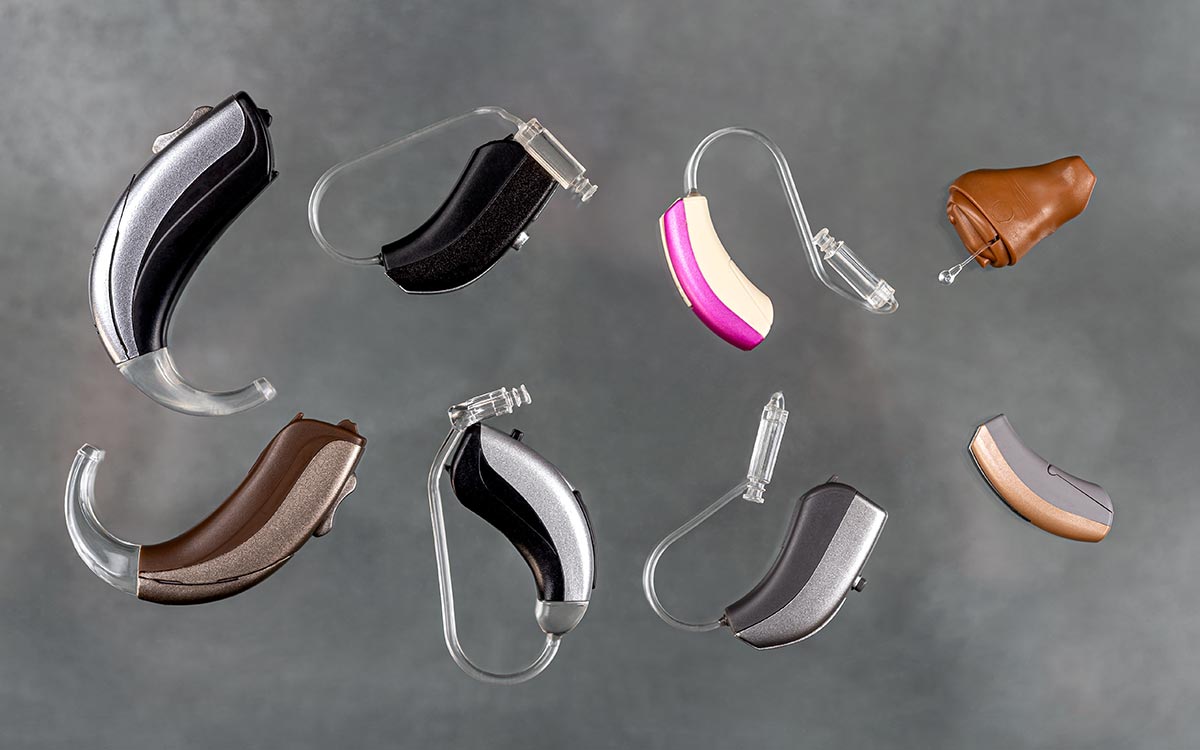
With so many options in terms of dimensions, style, and technology, the process of picking an instrument can feel quite intense. Rest assured that there is an assistive device customized to every lifestyle and degree of impairment. It’s all about learning which model aligns perfectly with your specific requirements.
Gaining a clear picture of common hearing aid categories will empower you to make an educated decision for your hearing health. This guide explores the most common styles and highlights the specific advantages each one offers.
In-the-Canal (ITC) Hearing Aids
What they are:
ITC hearing aids sit partly in the ear canal, with a small portion visible at the outer ear.
The Perks:
- Offers a smaller shape than bulkier behind-the-ear units
- Custom-molded for comfort
- Appropriate for mild to moderate hearing loss
ITC devices offer an excellent equilibrium between visibility and functionality, making them an ideal choice for first-time users.
Ultra-Discreet IIC Devices
The Idea:
As the most compact custom option, IIC aids represent the smallest available style. This style rests deep in the ear for a completely covert appearance.
Why they are favored:
- Maximum aesthetic discretion
- Microphone depth helps mimic the ear’s natural sound collection
- Lightweight and easy
The small form size of IIC models renders them perfect for mild hearing loss and anyone who values an invisible hearing solution.
Full and Partial ITE Varieties
Structural Info:
ITE hearing aids fill either the entire outer ear (full-shell) or the lower portion (half-shell). They are custom-made to fit the contours of your ear.
Why people choose them:
- The increased surface space offers space for extra functionality and extended power
- The physical size is easier to grip and adjust for users with fine motor concerns
- An adaptable option that can address even significant levels of hearing loss
Users often choose these units for their straightforward, single-piece construction that avoids any external wiring or tubing.
Exploring BTE (Behind-the-Ear) Styles
Functionality:
These devices sit on the external ridge of the ear’s anatomy. Audio travels into the ear canal through an internal tube or custom earmold.
Common Reasons:
- Very flexible and durable
- Function for nearly all degrees of hearing loss
- Big enough to include sophisticated software and modern rechargeable technology
For those who prioritize a dependable device that is easy to manage and provides plenty of volume, BTE is an excellent choice.
Receiver-in-Canal (RIC) Hearing Aids
What they are:
RIC hearing aids appear similar to BTE models, but the speaker (receiver) sits inside the ear canal rather than inside the device behind the ear.
Why people select them:
- Known for creating some of the most authentic audio in the industry
- Offers a very low-profile look that is easy for almost everyone
- A versatile solution that works for various degrees of auditory needs
Thanks to their ease and aesthetic beauty, RIC devices have become an industry standard.
Extended-Wear Hearing Aids
Usage Summary:
An audiologist places these specialized hearing aids deep into the canal, where they remain for multiple weeks.
Why individuals choose them:
- No routine insertion or removal
- Offers an entirely covert solution for hearing health
- You can move about your whole life—including sports and rest—while wearing them
For a “hands-off” method of auditory assistance, extended-wear technology is the top recommendation.
Connected Hearing Systems
What they are:
These are modern units fitted with wireless technology to sync with your personal electronics and televisions.
Why go cordless:
- Stream calls, music, and audio straight to the hearing aids
- Allows for instant, subtle adjustments to your hearing aids through digital software
- Provides the ultimate in ease for people who use smartphones regularly
Bluetooth features are accessible across many styles, including RIC, BTE, and some ITC models.
Alternative Implantable Options
Technical Description:
This technology requires an operative procedure to place a device that physically stimulates the bones of the middle ear.
Why implants are used:
- An accessible path for patients who are unable to wear standard acoustic devices
- This is an expert alternative for those with chronic ear canal sensitivity.
These devices require an exhaustive medical review by a hearing, nose, and throat expert.
Finding the Hearing Aid That Suits Your Life
Since each hearing aid design has unique assets, the best choice is based on your specific hearing needs, your daily activities, and your aesthetic goals. An audiology professional is your best asset for evaluating these options and finding a match for your daily routine.
Start traveling toward a world of better sound by arranging a consultation with a hearing specialist. It is the most important move you can make toward a more vibrant and confident life.
Sources:
https://www.mayoclinic.org/diseases-conditions/hearing-loss/in-depth/hearing-aids/art-
20044116
https://www.hearinglife.com/hearing-aids/types
https://www.nidcd.nih.gov/health/hearing-aids